How to choose the right mattress for a small apartment
May 6, 2025
Sponsored Content
Living in a tiny apartment can be fun and thrilling. Almost everything is within reach; there's a certain charm to making the most of every square inch. But it also means making smart choices about furniture. One of the biggest decisions you'll make is selecting a bed mattress.
You might ask yourself, "Which mattress is best for my small bedroom?" Things can get tricky here because of the many options available in the market. In fact, its global industry was valued at over $46 billion USD in 2024 and is set to grow at an annual rate of 6.5% during the analysis period (2025-2030). This growth only adds to the challenge, with various brands claiming they have the top-notch mattress in town. (1)
Keep reading this piece to discover key factors that'll help you choose the perfect mattress.
Measure your room dimensions
Before getting too excited about selecting a mattress, grab a tape measure and get accurate measurements of your bedroom. You need to know precisely how much space you have to avoid headaches later on.
Measure the length and width of your bedroom. Take note of any tight corners or built-in furniture that could affect mattress placement. Consider the height of your bed frame too if you plan to add under-bed storage.
Now, think about how the mattress will get into your apartment. Will it fit through the doorway, hallway, or staircase?
While you can buy a mattress online or in a local store directly, it's better to assess your available space first. This will help you determine what bed size will work best.
Select the correct mattress size
With your room measurements in hand, you can now assess the different mattress sizes. Here are the common options:

Aside from maximizing the area, the right mattress size should support your sleep position, accommodate your body shape or type, and provide the comfort level you need. After all, a restful night is one of the top priorities when investing in a sleep companion.
Consider the material
When buying a new home, the foundation determines if it will be comfortable and last for years, right? It’s the same with mattresses. The type of material used affects everything, from how it feels to how long it lasts.
A quality mattress can do wonders for your health as well. Medical advisors say it helps keep your spine aligned, relieve pressure points, and regulate body temperature. The result? You’ll wake up feeling refreshed instead of sore. (2)
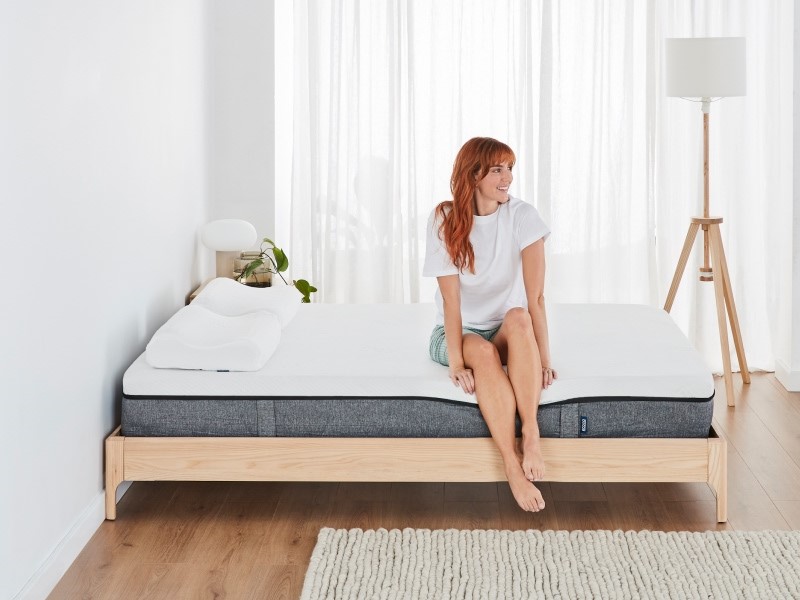
Here's a quick breakdown of the different mattress materials:
Memory foam
This material conforms to the body and provides excellent pressure relief. It's typically thinner and often comes in a box for easy transport. In terms of longevity, memory foam mattresses usually last around 8-10 years.
Innerspring
This traditional mattress stands out for its firm support and long-lasting design. It has steel coils that add bounce and promote airflow to keep sleepers cool at night. But here's the thing: its bulky design can be a challenge for your small space, something you must consider. On the positive side, innerspring materials can hold up for about 5-10 years before the coils start to wear down.
Latex
Latex is popular for its hypoallergenic properties and natural resistance to dust mites, mold, and bacteria. Another perk is its responsive feel, meaning you get the support you need without that deep sinking sensation you experience with memory foam. And when it comes to replacement, latex mattresses can stay in good condition for up to 15 years.
Hybrid
With this, you've got the best of both worlds. The coil layer provides sturdy structure and breathability, while the foam adds cushioning for pressure relief. Hybrid mattresses are also built to last. They can maintain their good shape for around 7-10 years before showing signs of wear. (3)
Each type of mattress offers something unique. Your choice must depend on what feels most comfortable and works best for your beautiful home.
Check the warranty
When you buy a mattress, you expect it to work properly and last a long time, but you won't know until you've used it for a while. That's why a product warranty matters because it protects you if something goes wrong with the product.
Generally, most warranties cover issues like premature sagging, broken coils, or manufacturing defects. However, policies vary from brand to brand. Some offer five-year coverage, while others extend it for a decade or more. (4)
That said, it's important to read the fine print carefully. Most manufacturers and suppliers have specific conditions to keep the warranty valid, so it's something to be aware of.
In summary
Shopping for a bed mattress is exciting but can also be overwhelming. This guide will help you find one that checks all your boxes. At the end of the day, the right mattress is one that lets you sleep soundly without taking over your space. It's also a significant investment, so choosing wisely will pay off in the long run.
References:
- 1. “Mattress Market Size & Trends”, Source: https://www.grandviewresearch.com/industry-analysis/mattress-market
- 2. “How Does Your Sleep Change With a New Mattress?”, Source: https://www.sleepfoundation.org/sleep-news/how-does-your-sleep-change-with-a-new-mattress
- 3. “Here’s how often you should replace your mattress for the best quality sleep—and how much money to invest in a new one”, Source: https://www.cnbc.com/2023/08/26/heres-how-often-you-should-change-your-mattress-and-what-it-will-cost.html
- 4. “Mattress Warranties”, Source: https://www.sleepfoundation.org/mattress-information/mattress-warranties