Why today’s caution could lead to tomorrow’s condo shortage
September 8, 2025
In the latest episode of Toronto Under Construction Podcast, I hosted three of the most candid voices in the development industry: Paul Golini of Cardea, Leith Moore of Assembly, and Julie DiLorenzo of Mirabella. Together, we dug into what’s slowing housing in the GTA, from planning delays to the real costs of high taxes on new development. For new condo buyers, this conversation offered a crucial insight – the slower, more cautious market we see today may be laying the groundwork for a severe shortage of housing in just a few years.
Stronger position
Recent analysis from my firm, Bullpen Research & Consulting, which is based on data from Canada Mortgage and Housing Corp. (CMHC) and Altus, shows the GTA could see fewer than 10,000 new condo and rental apartments delivered in 2028, when the region will likely need closer to 25,000 units to meet demand. This gap could push both rents and resale prices sharply higher. Bullpen projects rent growth of seven per cent or more in 2028, with the possibility of double-digit gains in 2029 and 2030. While the current news cycle may focus on investor losses and softer resale values, buyers who secure a home before supply tightens could find themselves in a much stronger position when the shortage sets in. I know it is difficult for anyone to make a decision today based on a projection three to five years out, especially given the market correction currently occurring. However, trying to time the market is a fool’s game.
The current environment is in stark contrast from the frenzied years when developers routinely pushed towers to 70-, 80-, even 95 storeys, confident that investor demand would absorb whatever was launched. Today, high land prices, more cautious lenders and tighter investor appetites have shifted the industry’s focus. Many developers are moving away from massive highrise projects and toward smaller, more modestly scaled communities; these projects that can be built faster, with less financial risk, and that often fit better into established neighbourhoods.
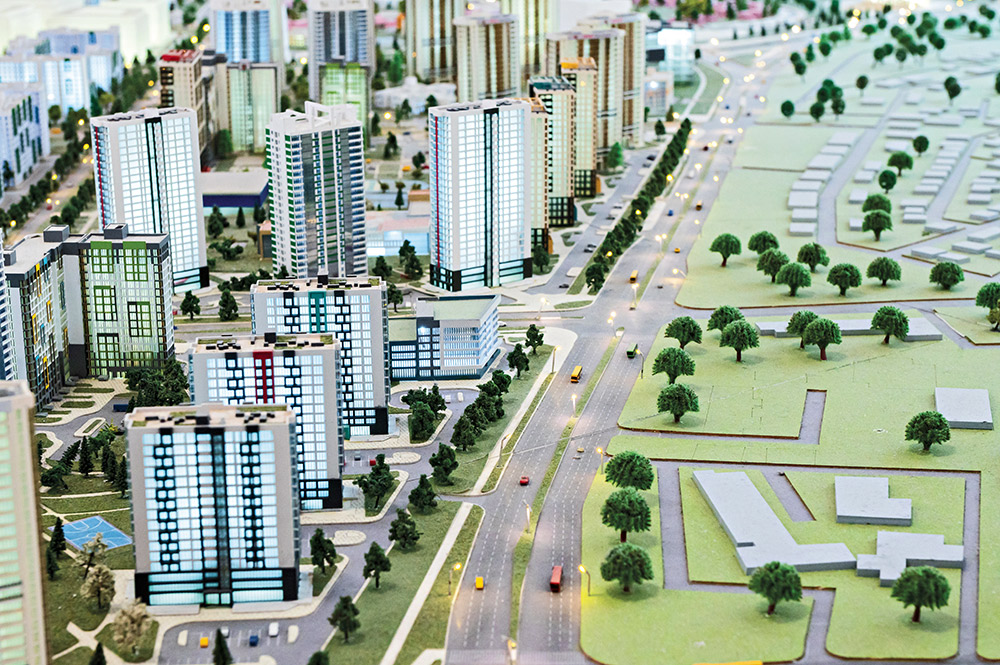
Some of that shift is being powered by a growing interest in modular and prefab construction, a recurring topic in Toronto Under Construction Episode 89. Off-site building methods, whether panelized framing or fully modular units, can dramatically shorten construction timelines. Moore, for example, is launching a panel plant through his firm Assembly to streamline midrise and infill projects. Meanwhile, Peter Gilgan of Mattamy Homes is investing in a large-scale prefab facility aimed at boosting housing output. For buyers, these innovations open up more variety in housing forms, which can offer an alternative to traditional highrise living, especially in midrise and townhouse-style developments.
Government incentives
The change isn’t just about how projects are built, it’s also about what type of housing is delivered. With the condo pre-construction market at its weakest point since the mid-1990s, many developers are reworking planned condos into purpose-built rental buildings. Government incentives, such as the GST exemption on new rentals and CMHC financing support, have helped make this shift more viable. In many cases, purpose-built rentals can command a five- to 10-per-cent premium over comparable condos, especially for larger units that appeal to older tenants seeking long-term stability and professional management. However, the benefits are often greatest in smaller or boutique buildings – large, 700-unit rentals may struggle to achieve the same premium, as personal service and a sense of community can be harder to maintain at that scale.
Bullpen’s outlook also points to the bigger picture: The pause in major land transactions, the caution among mid-sized developers and the temporary cooling of pre-construction sales are all part of a market cycle that will likely tighten dramatically in the early 2030s. For buyers today, that means the current lull may be an opportunity, especially if you’re purchasing for the long-term.
For prospective condo buyers, the message is straightforward. The combination of smaller-scale developments, emerging construction methods and a looming undersupply means that today’s slower market may be the calm before a storm of renewed price and rent growth. By understanding these trends – and hearing from industry leaders on Toronto Under Construction – you can make informed decisions now that position you for success when the market shifts again.
As I always say, surround yourself with a very experienced team, do a lot of research and buy what you can afford. Good luck.