Leave your running shoes at the front door
July 26, 2026
A few years ago, six to be exact, I bought an exercise bike.
It’s still sitting in my basement, unused.
I also joined a gym. Like many people, I started with good intentions, convinced that this would finally be the year I exercised regularly. Yet somehow, it never seemed to stick.
Sound familiar?
This past winter, I spent two months in Costa Rica, including time on the Nicoya Peninsula, where people are known for living healthy, active lives well into their 90s and, in many cases beyond 100 years of age.
What surprised me wasn’t what I learned. It was what I stopped struggling with. I walked every day. I slept through the night. I ate healthier. And none of it felt like work.
Familiar routines
The question I kept asking myself was simple: Why was it so easy in Costa Rica and so difficult at home?
Back home, healthy habits often feel like another item on a growing to-do list. We buy gym memberships, fitness trackers, exercise bikes and running shoes. We promise ourselves we’ll be more active, eat better and get more sleep.
Then we return to our familiar routines.
Many of our communities have been designed around cars rather than people. We drive to work, to the store, to appointments and then drive home again. Before we know it, we’ve slipped back into old habits that require very little movement at all.
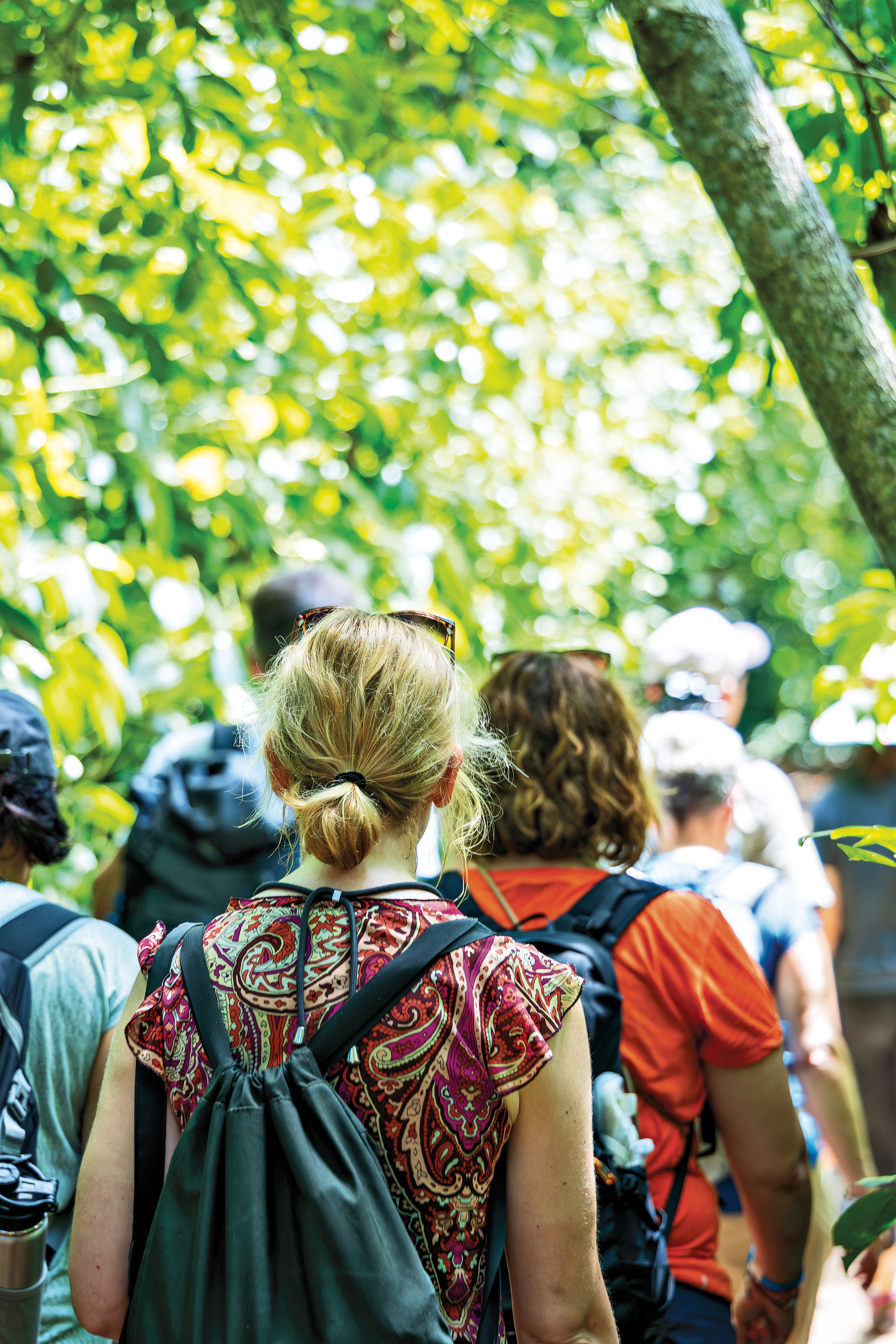
In Costa Rica, things were different.
I wasn’t exercising. I was simply living.
I walked to the grocery store, restaurants and the beach. I walked to meet friends. Movement was naturally built into my day. Perhaps that’s why my exercise bike sits in the basement, unused. The bike requires motivation. Walking in Costa Rica required none.
The environment made healthy choices easier.
It influenced my eating habits, too. I found myself eating more fresh fruit, vegetables, fish and locally prepared meals. Part of that was the availability, but part of it was something much simpler.
Important lesson
My favourite snack food, potato chips, cost almost $10 per bag. At that price, suddenly they weren’t nearly as tempting.
It made me laugh, but it also reinforced an important lesson. We often think healthy living is about self-discipline, yet our surroundings constantly influence the choices we make.
The same thing happened with my sleep.
At home, sleep can sometimes be a challenge. Like many adults, I’ve constantly relied on melatonin to help me fall asleep. Yet within days of arriving in Costa Rica, I was falling asleep naturally and waking up refreshed. The sleep aids remained untouched.
I wasn’t following a special program, rather I simply found myself spending more time outdoors, walking more and living in the rhythm of the day. The sun woke me in the morning and darkness signaled it was time to slow down.
It made me realize how disconnected many of us have become from the natural cues that once guided human life.
The people of Nicoya don’t wake up every morning determined to live longer. Their environment supports healthier choices. They move because walking is part of daily life. They sleep better because they are connected to natural light and darkness. They eat differently because fresh foods are abundant and processed foods are less convenient.
Walking for health
Their environment works with them, not against them.
Research consistently shows that walking is one of the most important things we can do for our health as we age. Walking supports heart health, strengthens muscles and bones, improves balance, reduces stress and helps maintain independence. Studies have found that adults who walk approximately 7,000 to 8,000 steps a day have a significantly lower risk of premature death compared to those who are less active.
The interesting thing is that I never counted my steps in Costa Rica. I simply lived differently.
Of course, not all of us live in walkable communities, and most of us aren’t moving to Costa Rica anytime soon. But that doesn’t mean we can’t borrow a few lessons from the Blue Zones.
A walk around the block still counts. A walk to a friend’s house still counts. A few minutes in the garden or nature still counts.
The goal isn’t to replicate life in Nicoya. It’s to find small ways to make movement, nature and healthy habits part of our everyday lives.
So, here’s my advice: Leave your running shoes at the front door.
The healthiest habits aren’t always the ones we schedule. Often, they are the ones we simply live.
About Author
Linda Kafka
Linda Kafka, Wellness and Aging in Place Educator, writes about wellness, aging in place and how our homes support well-being at every stage of life. livablecanada.com.